
Women’s Rights Through History: Voices That Shaped Equality
The history of women’s rights in Europe and beyond has been shaped by courageous thinkers who, in times of profound inequality, dared to imagine a radically different future. Long before gender equality became a principle enshrined in constitutions, treaties, and international conventions, women philosophers, activists, and writers laid the intellectual foundations for the modern understanding of rights, citizenship, and freedom.
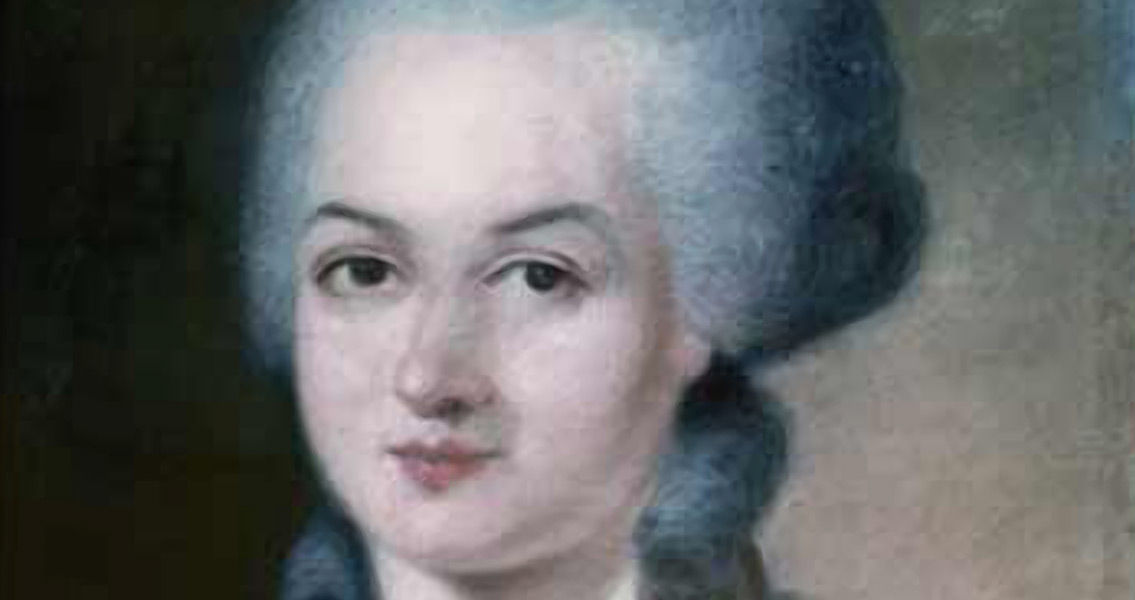
Olympe de Gouges
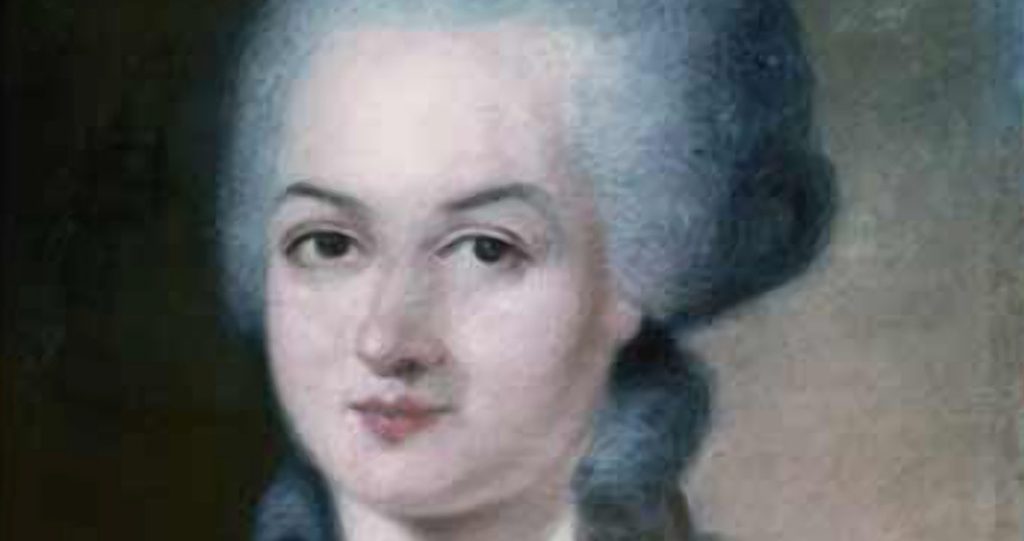
Among the earliest and most influential voices stands Olympe de Gouges, who in 1791 authored the Déclaration des droits de la femme et de la citoyenne, a bold feminist counterpart to the French Déclaration des droits de l’homme et du citoyen.
In a society that denied political subjectivity to women, de Gouges affirmed clearly and provocatively that women are born free and equal in rights. Her work challenged not only legal and political structures but the cultural norms that kept women excluded from public life.
Mary Wollstonecraft
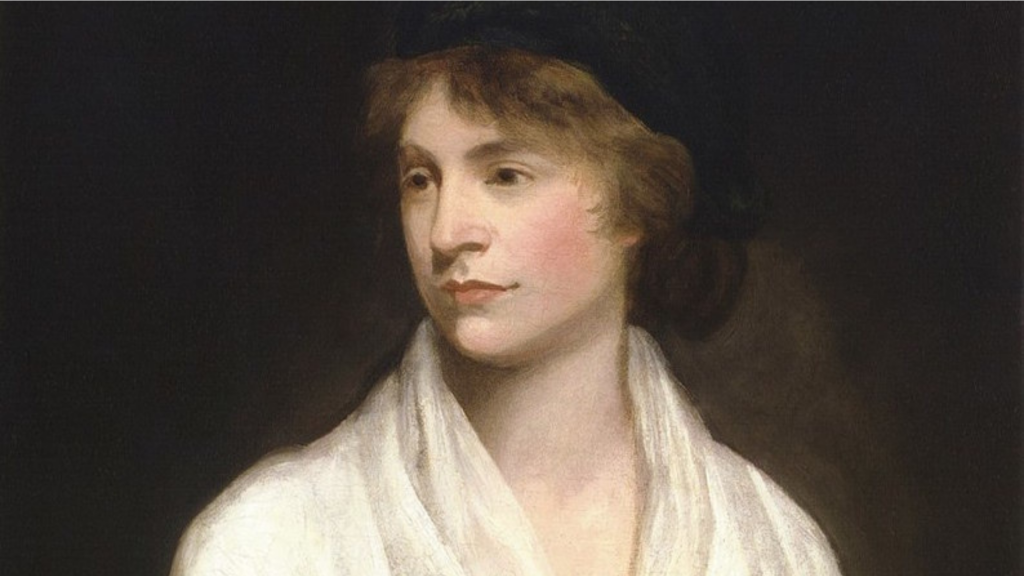
Meanwhile in Britain, Mary Wollstonecraft published in 1792 her groundbreaking A Vindication of the Rights of Woman, a philosophical argument defending women’s rationality, education, and political agency. Wollstonecraft exposed how the social construction of women’s “weakness” was neither natural nor inevitable, but the product of structural exclusion from knowledge and power. Her call for equal education and civic participation remains one of the cornerstones of feminist political thought.
Sojourner Truth
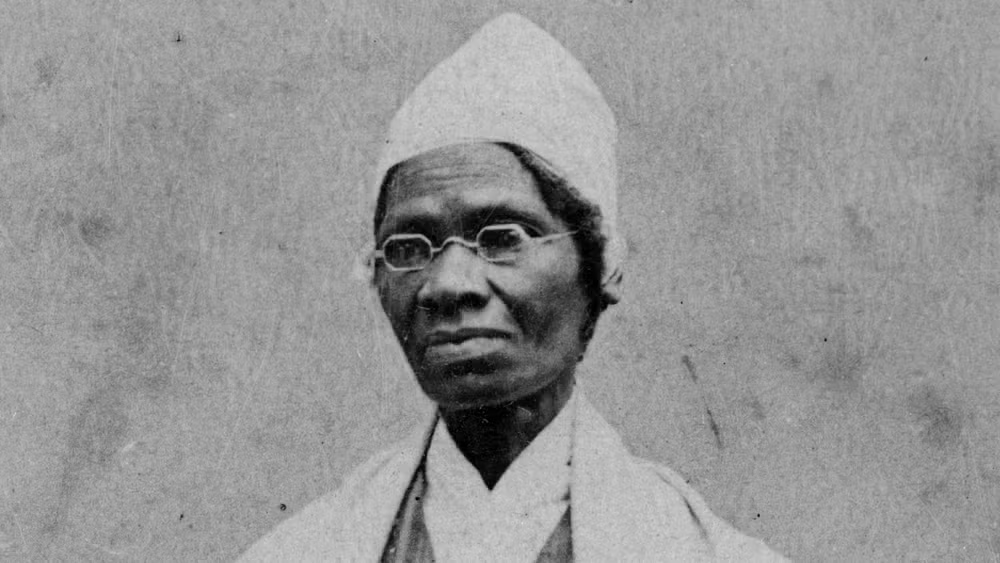
As the struggle expanded beyond Europe, new voices brought further dimensions to the debate. One of the most influential was Sojourner Truth, an African American abolitionist and women’s rights activist whose 1851 speech “Ain’t I a Woman?” exposed the intersections of race, gender, and class. Her testimony challenged the dominant narratives of womanhood and revealed how multiple forms of discrimination shape lived experience.
Together, these women and many others who followed helped build the intellectual and political foundations of gender equality. Their legacy continues to inspire contemporary movements, reminding us that the fight for equality is both historical and ongoing, transcending borders, identities, and generations.
This material forms part of the complete deliverable D1.5 – Production of original multimedia contents: research, studies, archival materials, testimonies of witnesses.