Women Who Shaped Europe | Ursula Hirschmann
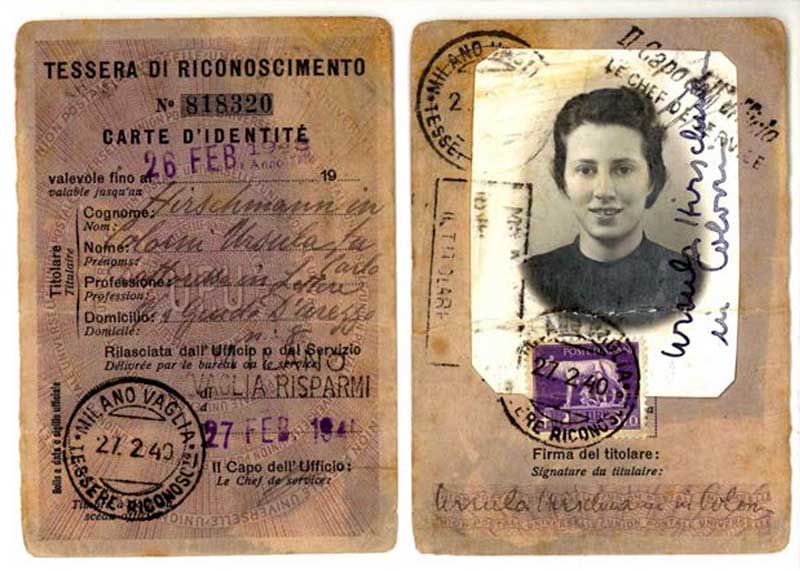
Did you know that Ursula Hirschmann helped carry the Ventotene Manifesto out of fascist captivity, shaping the foundations of European integration? As a feminist activist, she later founded Femmes pour l’Europe.
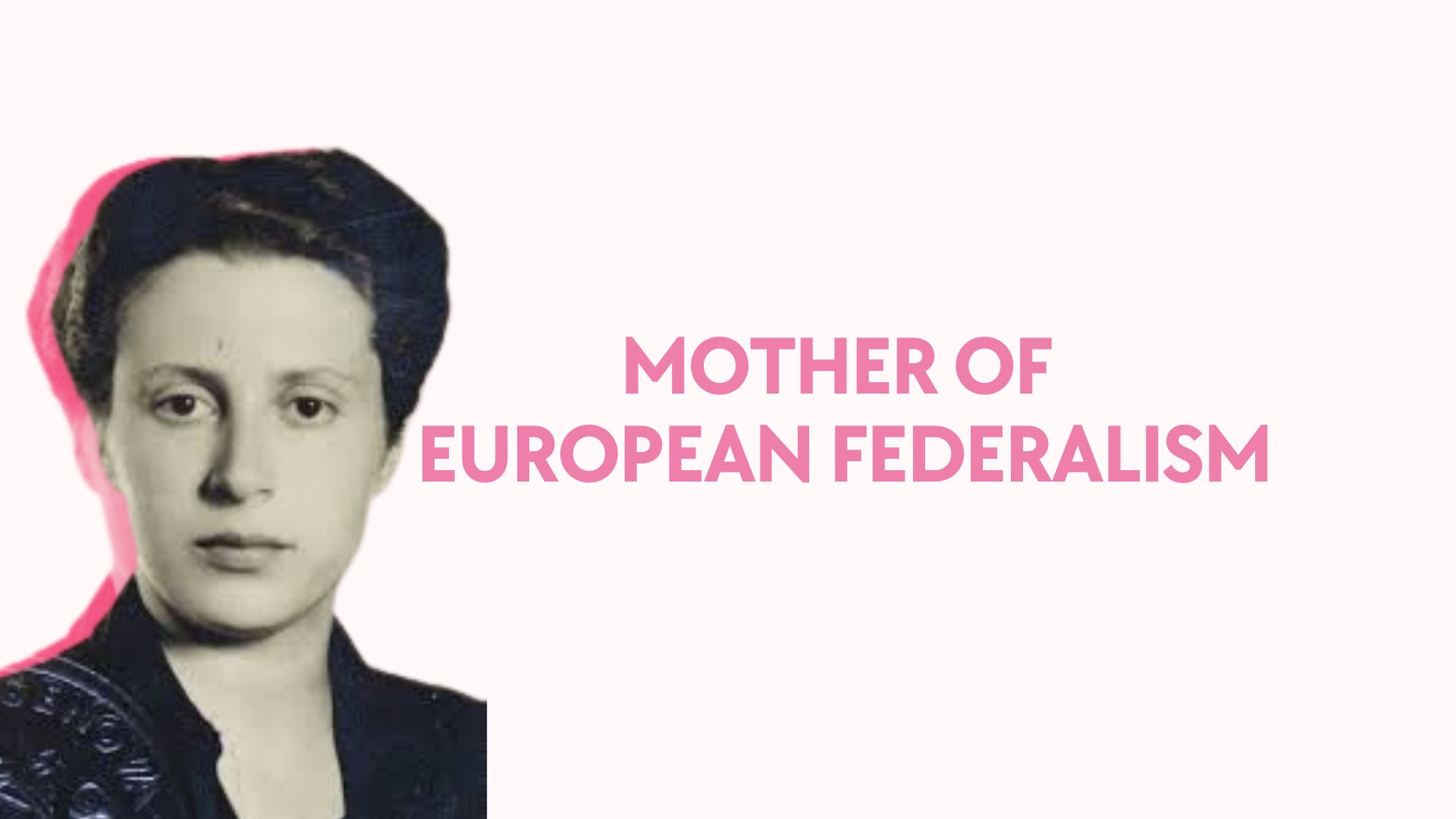
Mother of European Federalism
A Lifelong Fight for a Democratic Europe: Ursula Hirschmann was one of the key intellectual forces behind the early idea of a united and democratic Europe. A Jewish anti-fascist activist, resistance member, feminist thinker, and co-founder of key European movements, she helped turn the dream of European integration into a political project.
Her life demonstrates how political courage, feminist thought, and cross-border solidarity can reshape an entire continent.
Revolutionary Ideas
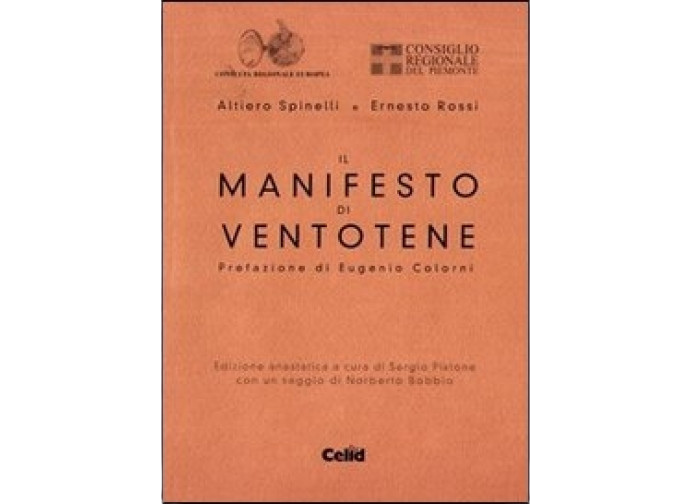
Hirschmann played a decisive role in shaping the Ventotene Manifesto (1941), one of the most influential texts in European history. She smuggled the manuscript from the Italian island of Ventotene to the mainland, ensuring its circulation among resistance networks. Without her, the manifesto — a blueprint for a peaceful, federal Europe built on democracy – may never have reached the wider world.
She later co-founded the Movimento Federalista Europeo and became a passionate advocate for a united Europe grounded in freedom, equality, and democracy.
Important Dates
1913 – Born in Berlin, Germany
1930s – Flees Nazi Germany, joins anti-fascist movements
1941 – Helps disseminate the Ventotene Manifesto
1943–45 – Active in the Italian Resistance
1948 – Co-founds the European Federalist Movement
1950s–1960s – Continues cross-border activism for a democratic Europe
1975 – Founds Femmes pour l’Europe
1991 – Passes away in Rome, Italy, leaving a visionary political legacy
Why Ursula Hirschmann Is Relevant for the WE Frame Project
- She embodies the struggle for democracy, equality, and social justice.
As a Jewish woman forced into exile, Hirschmann saw how authoritarianism and discrimination destroy societies. Her activism shows why democratic values, women’s rights, and political participation must stand at the center of European life – key priorities of WE Frame.
- She challenges traditional narratives by restoring women’s place in European history.
Although central to the Ventotene Manifesto’s spread, her contribution was overshadowed by male colleagues. Her story demonstrates how women have shaped Europe — even when history tried to forget them. WE Frame seeks exactly this: to uncover hidden contributions and rethink dominant narratives.
- She represents intergenerational dialogue and transmission of values.
Hirschmann fought for a Europe that future generations could inherit. Her children, historians and activists themselves, kept her legacy alive. This continuity reflects WE Frame’s aim of creating meaningful exchanges between young people and older generations.
- She shows how personal experiences intersect with political structures.
Hirschmann was a migrant, a mother of six, a woman in male-dominated political circles, and a survivor of fascism. Her life illustrates how gender, origin, class, ideology, and migration status shape political participation – a core theme in WE Frame’s intersectional approach.
- She links European integration with care, wellbeing, and social responsibility.
Her feminist networ “Femmes pour l’Europe” argued that a united Europe must care for its citizens – not only through laws, but through equality, solidarity, and shared responsibility. This mirrors WE Frame’s vision of integrating care and wellbeing into broader equality debates.