Women Who Shaped Europe | Olympe de Gouges
Did you know that Olympe de Gouges rewrote the French Declaration of Rights to include women in 1791? Her bold activism for equality cost her her life during the Revolution.
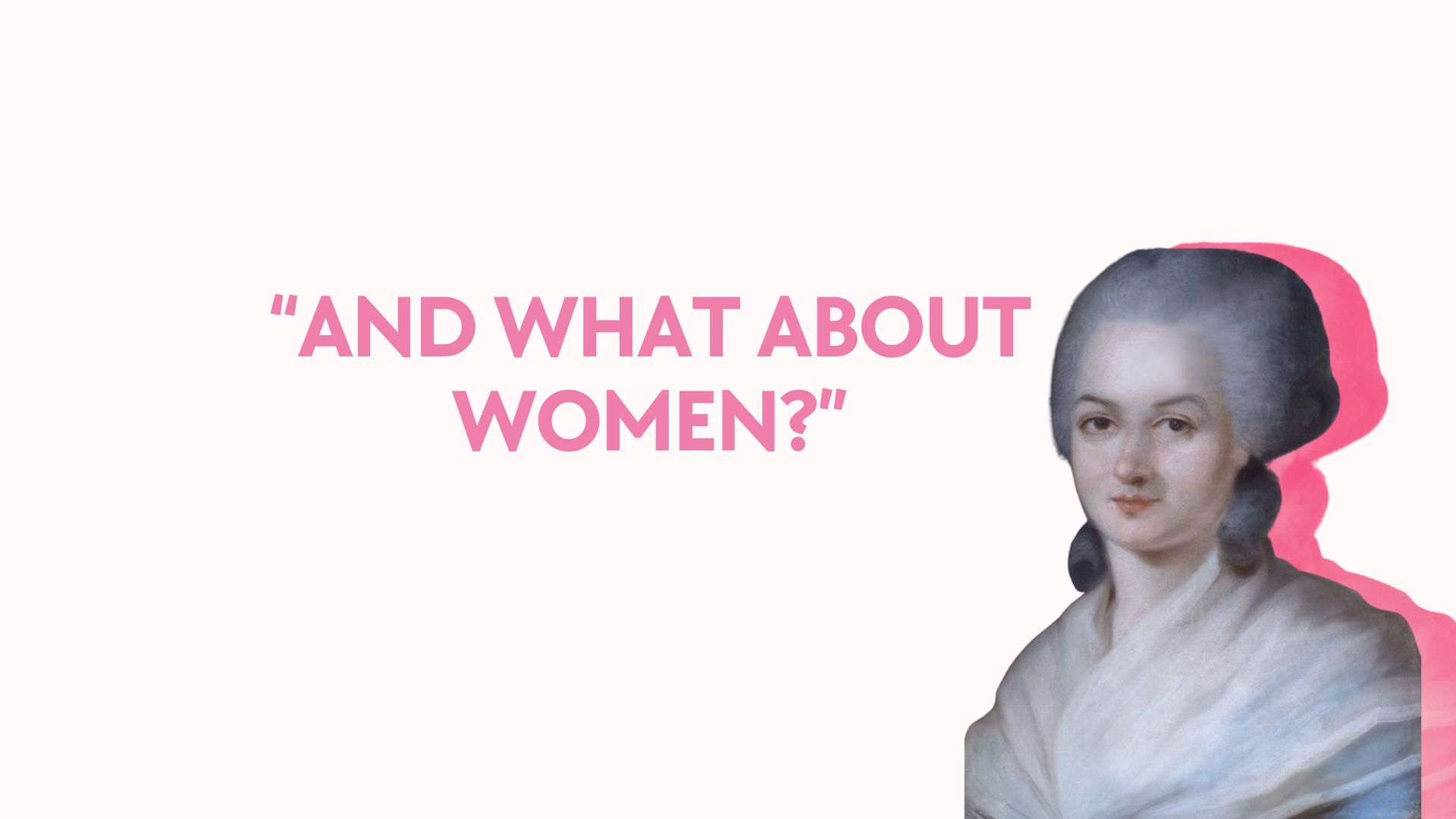
And what about women?
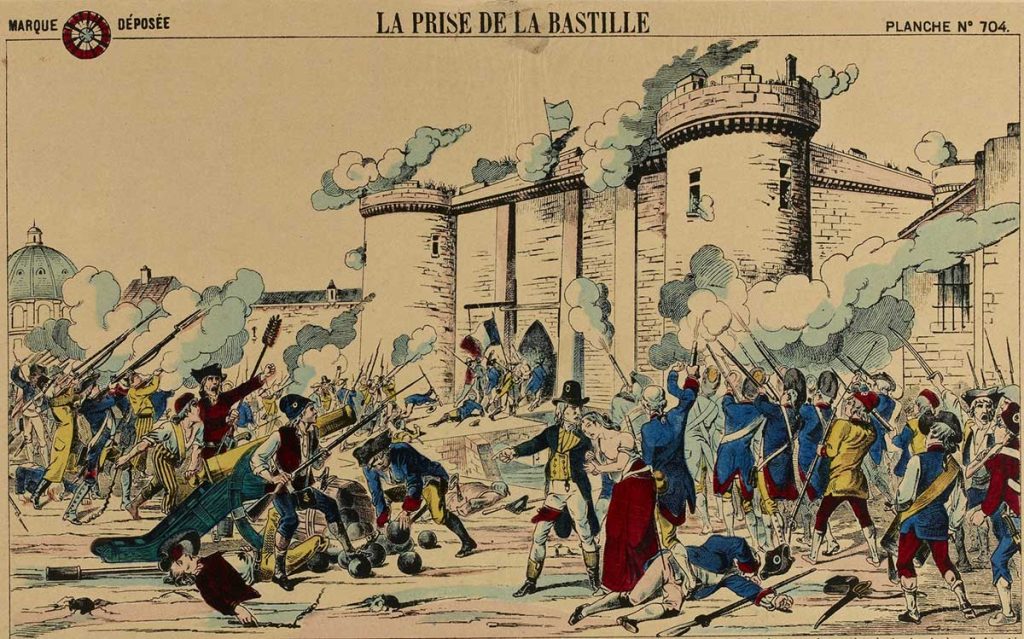
In the middle of the French Revolution, when men proclaimed liberty and equality, Olympe de Gouges posed the question that shook the foundations of the new republic:
“If rights are universal, why are women excluded?”
A Dramatist Who Turned Politics Into Public Debate
Before entering politics, de Gouges wrote theatre plays about poverty, inequality, and slavery. She believed that ideas should reach the people – not stay locked in parliamentary chambers.
The stage became her platform to expose contradictions in society:
- she defended unwed mothers,
- demanded protection for children,
- and criticized colonial slavery long before abolition movements gained strength.
Her plays made her one of the very few 18th-century women using culture as political resistance.
In 1791, she rewrote the famous Declaration of the Rights of Man to include women – article by article. It was not simply a critique; it was a proposal for a new social contract, where:
- women could vote,
- inherit property, divorce,
- and hold public office.
She showed that equality is not a gift but a responsibility of democracy.
Silenced for Speaking Too Loudly
Her determination to defend human rights – including her public plea against executions during the Terror – was interpreted as treason. She was executed in 1793 for her political activism. Her death symbolised the danger faced by women who dared to enter
political life.
Why Olympe de Gouges Matters Today
Olympe de Gouges matters today because her life reveals the limits of “formal equality”: even in a revolutionary moment, women remained secondary citizens, reminding us that laws alone cannot guarantee inclusion. Her courage to question dominant narratives mirrors WE Frame’s aim to expose hidden inequalities and rethink how Europe discusses gender and rights. Through her plays and pamphlets, she showed that activism can take cultural forms, using storytelling to shift public imagination – a method that strongly resonates with WE Frame’s focus on narratives. Coming from a modest background, she experienced how gender, class, and power intersect to shape opportunities, offering an early example of intersectional inequality. Finally, her ideas echo in today’s European equality frameworks, connecting the struggles of the past with the values and commitments that still guide Europe’s pursuit of justice and human rights.