
We must recognize equality through diversity | A conversation with Camilla Caselli
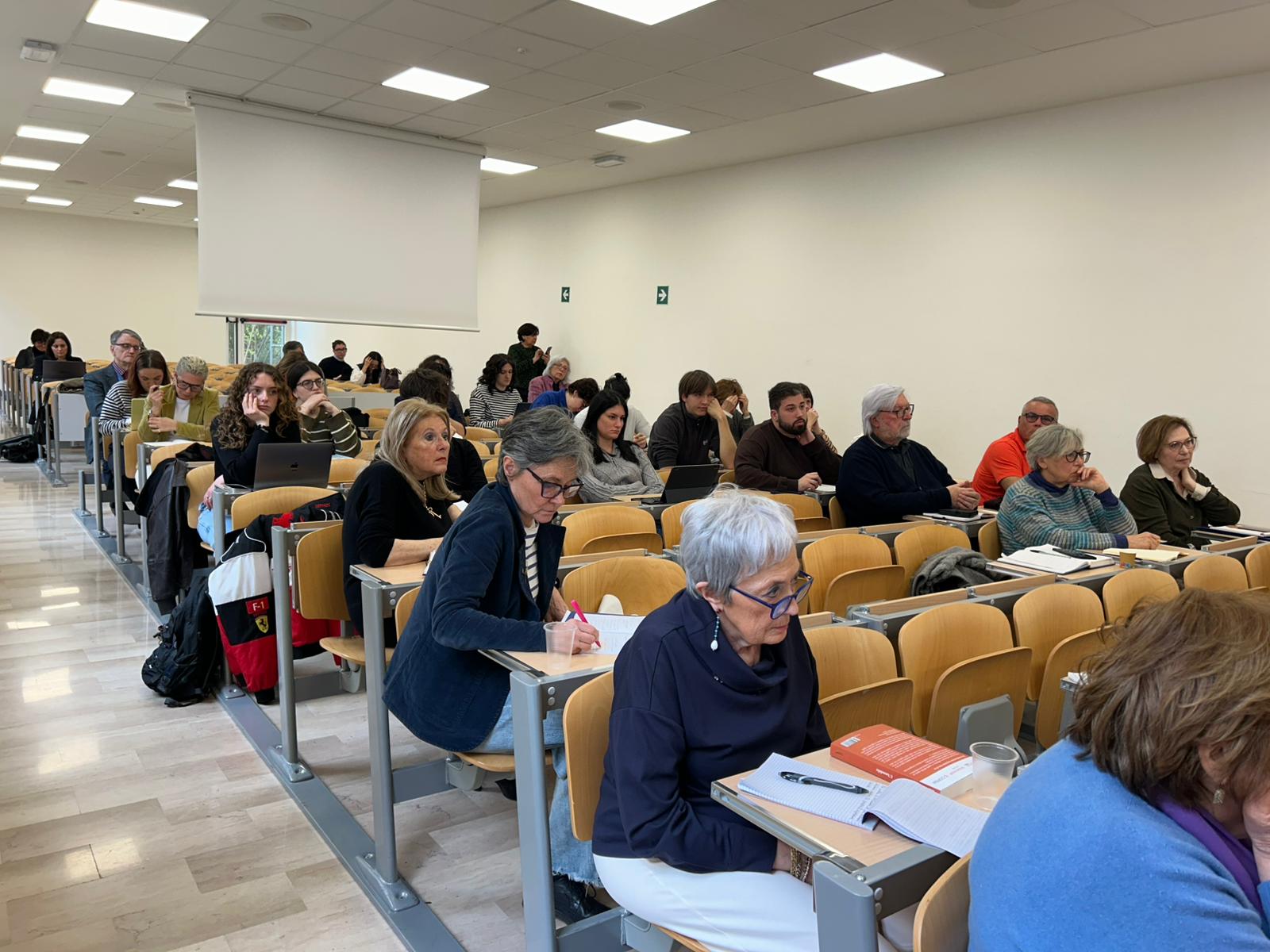
In the third We-Frame project laboratory, “Equality and Body,” we tried to understand how our physical presence defines our place in society. Legal and social frameworks shape perception and physical reality, offering insights into the intersection between physicality and fundamental rights.
In this interview, we talked to Camilla Caselli, a PhD candidate in Philosophy of Law at the University of Milan and the Charles III University of Madrid. She was a speaker for this third laboratory in the series.
I would like to ask about today’s workshop. Could you describe what we have done and explain why it is important?
I believe today’s workshop is important because it allows us to relate themes that are very, so to speak, “pop” (such as clothing, our representation through fashion, and through brands) to what it means for us to belong to a certain identity. It explores what it means for us to choose to recognise ourselves in a group, how we imagine our external and exterior experience, and how this can represent our interiority.
In your opinion, what is the greatest challenge currently facing society and the law regarding the protection of a person’s physical body?
I believe it is important at this moment to recognise equality through diversity. This means not squashing the definitions of individual subjects or those belonging to certain groups. Instead, we should value (from a more feminist, queer, and intersectional perspective) what it means to be oneself, without losing the dimension of equal opportunities and access to public space that equality provides us.
Since you mentioned intersectionality, how does the intersection between our physical appearance and our fundamental rights affect our lives within society?
I believe it is important to recognise that intersectionality is more than just an intersection of characteristic elements; it is also an intersection of struggles. Behind certain characteristics, there are collective battles that bring a whole series of subjectivities that are usually made invisible to the public level. The challenge for society, from an intersectional perspective, is to welcome these battles and to value them.
Do you believe we have a long way to go to achieve this level of equality? How do you see the future, and what steps should be taken to reach that goal?
I believe the path, rather than being long, may be very disjointed, and there may be many ways to reach the goal. These methods are already being tested and are well established by many collectives, groups, and associations that work to make the invisible visible. In reality, it would be enough just to listen to and learn these practices, then collectivise them as much as possible.