
Women Who Shaped Europe | Simone Veil
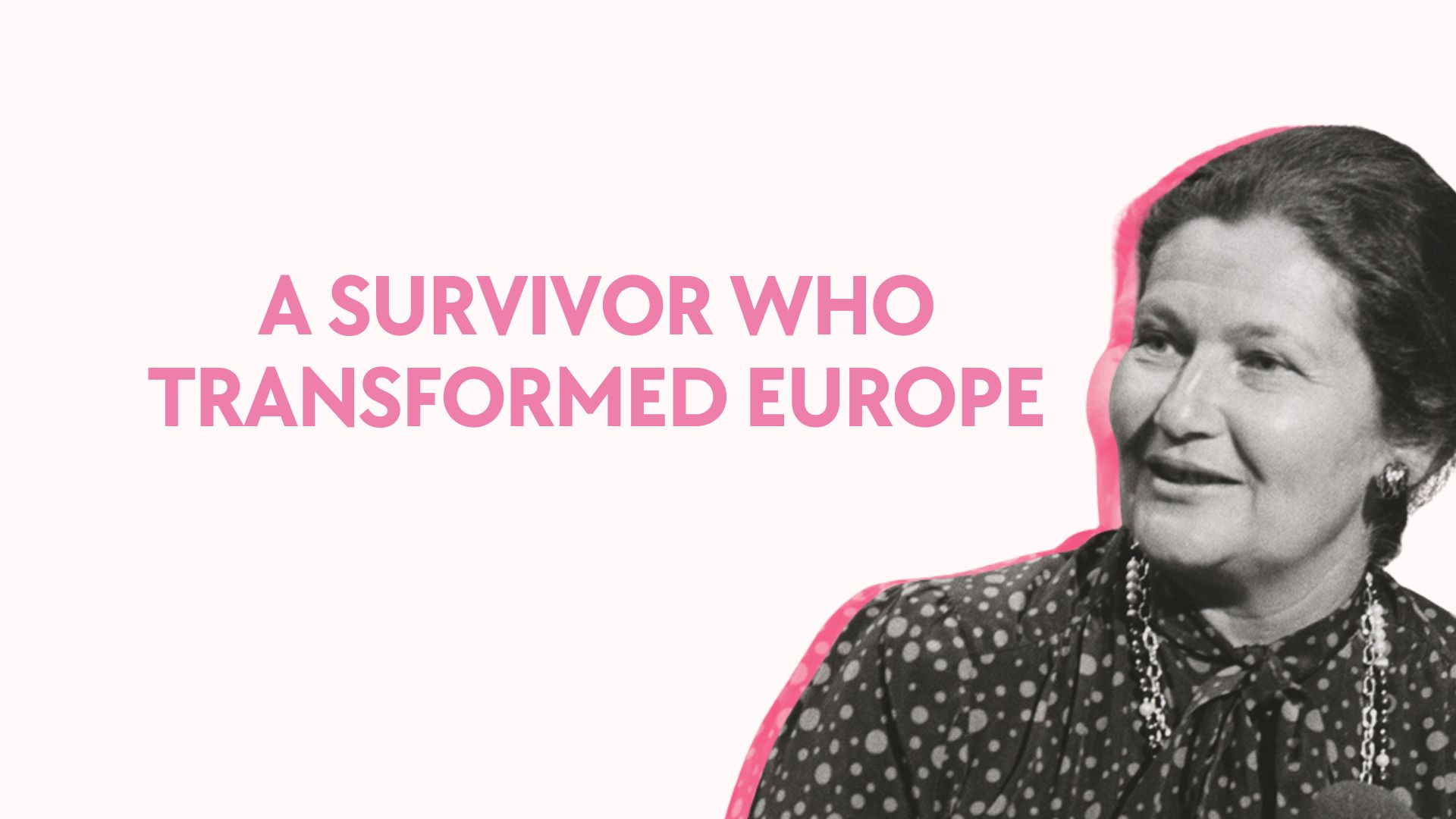
Simone Veil was born in 1927 in Nice and survived the Holocaust after being deported to Auschwitz at the age of 16. The experience of inhumanity, injustice, and the collapse of democratic values shaped her lifelong commitment to human rights, dignity, and peace. After the war, she studied law and political science and became one of France’s most respected public figures.
A Survivor Who Transformed Europe
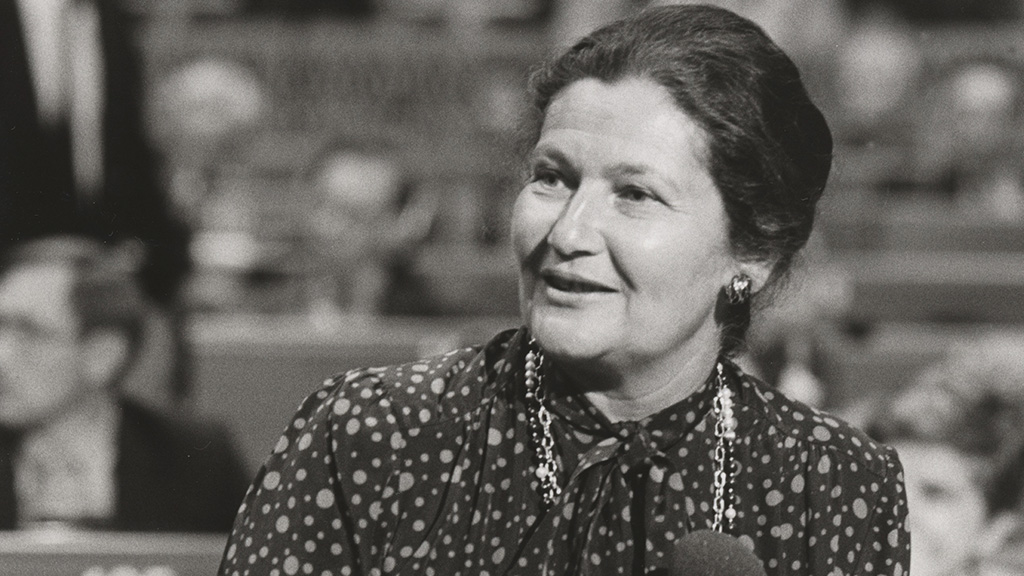
As France’s Minister of Health, Veil became internationally known for championing and passing the 1975 law legalising abortion — a landmark achievement that profoundly changed women’s rights and bodily autonomy in Europe. Despite intense political hostility and personal attacks, she defended the reform with courage, compassion, and clarity, making reproductive freedom a core democratic value.
A Builder of European Integration
In 1979, Simone Veil became the first female President of the European Parliament, directly elected by European citizens. She saw European integration as the strongest safeguard against war, antisemitism, and totalitarianism. Her leadership helped shape the European Union’s commitment to human rights, solidarity, and collective responsibility.
Important Dates
- 1944–1945 – Deported to Auschwitz and Bergen-Belsen
- 1975 – Passes the “Veil Law” legalising abortion in France
- 1979 – Elected first female President of the European Parliament
- 1998 – Enters the Académie Française
- 2017 – Dies in Paris; later interred in the Panthéon
⭐ Why Simone Veil Is Relevant for the WE Frame Project
Simone Veil’s story speaks directly to the core themes of WE Frame: equality, democracy, human dignity, and the power of intergenerational transmission. As a Holocaust survivor, she carried the memory of violence, discrimination, and democratic collapse into her political work, transforming personal trauma into public responsibility. Her life shows how the experience of oppression can become a driving force for protecting human rights and ensuring that the injustices of the past never reoccur.
Veil’s leadership demonstrates how women can redefine political institutions from within. By legalising abortion in France in 1975 — a reform achieved despite intense hostility, misogyny, and threats — she expanded women’s autonomy, health, and freedom, linking equality with wellbeing and care. This perspective is central to WE Frame’s interest in the connections between gender, body sovereignty, and social responsibility.
As the first female President of the European Parliament, she made women’s political visibility and representation inseparable from the project of European integration. Veil believed that Europe was not only an economic union, but a moral and civic one — a space where solidarity, human dignity, and democratic values could be protected across borders. Her commitment to a united Europe reflects the importance of cooperation and shared narratives, key elements in WE Frame’s exploration of interconnected European histories.
Veil also embodies the importance of intergenerational dialogue. She devoted much of her later life to Holocaust remembrance, believing that younger generations must understand the past to build a democratic future. Her insistence on memory as a political responsibility resonates strongly with WE Frame’s aim to bring young people and older generations together in conversations about justice, citizenship, and equality.