
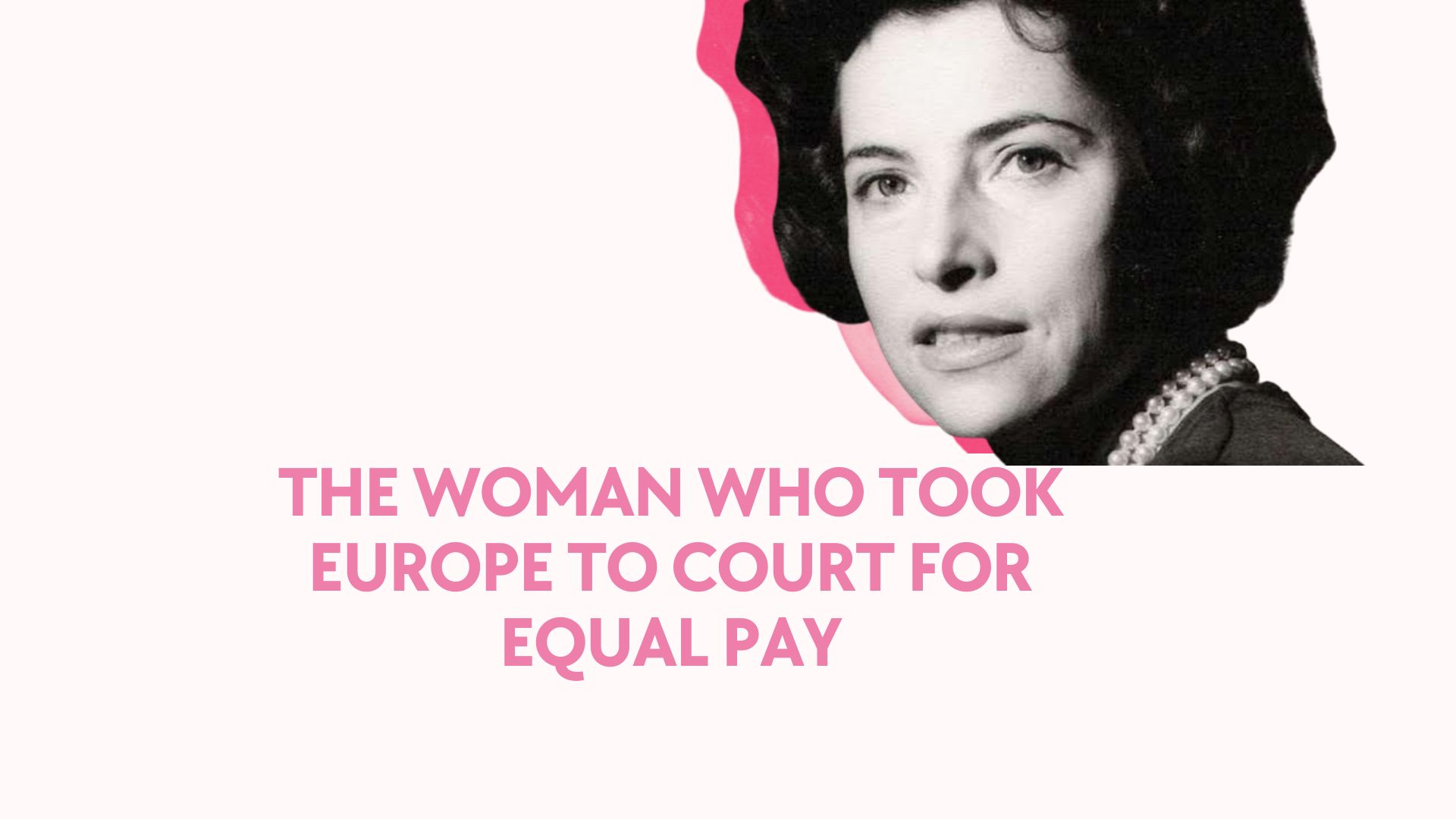
Women Who Shaped Europe | Gabrielle Defrenne
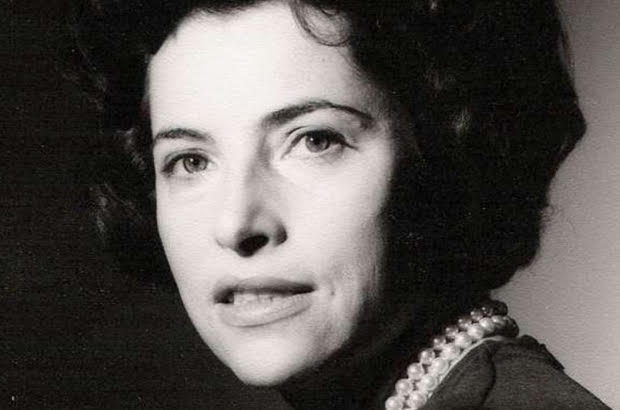
Gabrielle Defrenne, born in 1929 in Belgium, worked as a flight attendant for Sabena at a time when airlines imposed strict gendered rules on women. Female staff were expected to be young, unmarried, and were forced to retire at 40, while male colleagues could work until 55. Women also received lower pensions and fewer rights. When Defrenne was pushed into early retirement, she refused to accept this discrimination — a decision that would eventually transform European equality law.
The Legal Battle That Shaped Europe
Gabrielle Defrenne’s story is remarkable because she transformed personal workplace discrimination into a legal battle that reshaped European equality law. She brought three cases before the European Court of Justice (ECJ), each building on the previous one and together laying the foundation for gender equality at work across the EU.
🔹 Defrenne I (1971)
Defrenne challenged her forced early retirement and lower pension, establishing that gender discrimination in working conditions is a legal matter, not merely company policy. This opened the door for women to contest unequal treatment.
🔹 Defrenne II (1976) — the landmark ruling
The ECJ ruled that equal pay for equal work under Article 119 of the Treaty of Rome has direct effect, meaning:
➡️ Women can invoke EU law directly in national courts
➡️ Equal pay is a binding legal obligation
➡️ Employers can be held accountable for gender-based wage discrimination
This decision became a cornerstone of EU gender-equality legislation.
🔹 Defrenne III (1978)
The Court clarified how equal pay rules apply to private employers, confirming that equality obligations bind not only states but also companies.
A Legacy That Reaches Far Beyond Aviation
Gabrielle Defrenne was not a politician, a lawyer, or a public intellectual — she was an ordinary worker who used the law to demand justice. Her courage helped shape:
✔ EU equal pay legislation
Her case directly influenced the adoption of the 1975 Equal Pay Directive, the first gender-equality directive in the EU.
✔ EU gender equality directives across the 1980s–2000s
Her actions established the principle that equality is enforceable, not optional.
✔ Modern EU anti-discrimination law
Her cases became the legal foundation for later laws on parental leave, workplace discrimination, social security equality, and more.
✔ The idea of the “citizen as rights holder”
She showed that EU citizens can invoke EU law directly — an essential feature of European integration.
Why Gabrielle Defrenne Is One of the Most Important Women in EU History
Gabrielle Defrenne transformed equality from a political aspiration into a practical right.
Before her, discrimination in workplaces could be justified as “company policy.” After her, women across Europe gained the legal tools to demand equal pay, equal treatment, and fair working conditions.
Her fight demonstrates:
- That everyday discrimination has structural roots
- That justice requires institutional accountability
- That one courageous person can change an entire legal system
- That equality must be lived and enforced, not just declared
Her name may not be widely known, but her impact is felt by every woman working in the European Union today.