
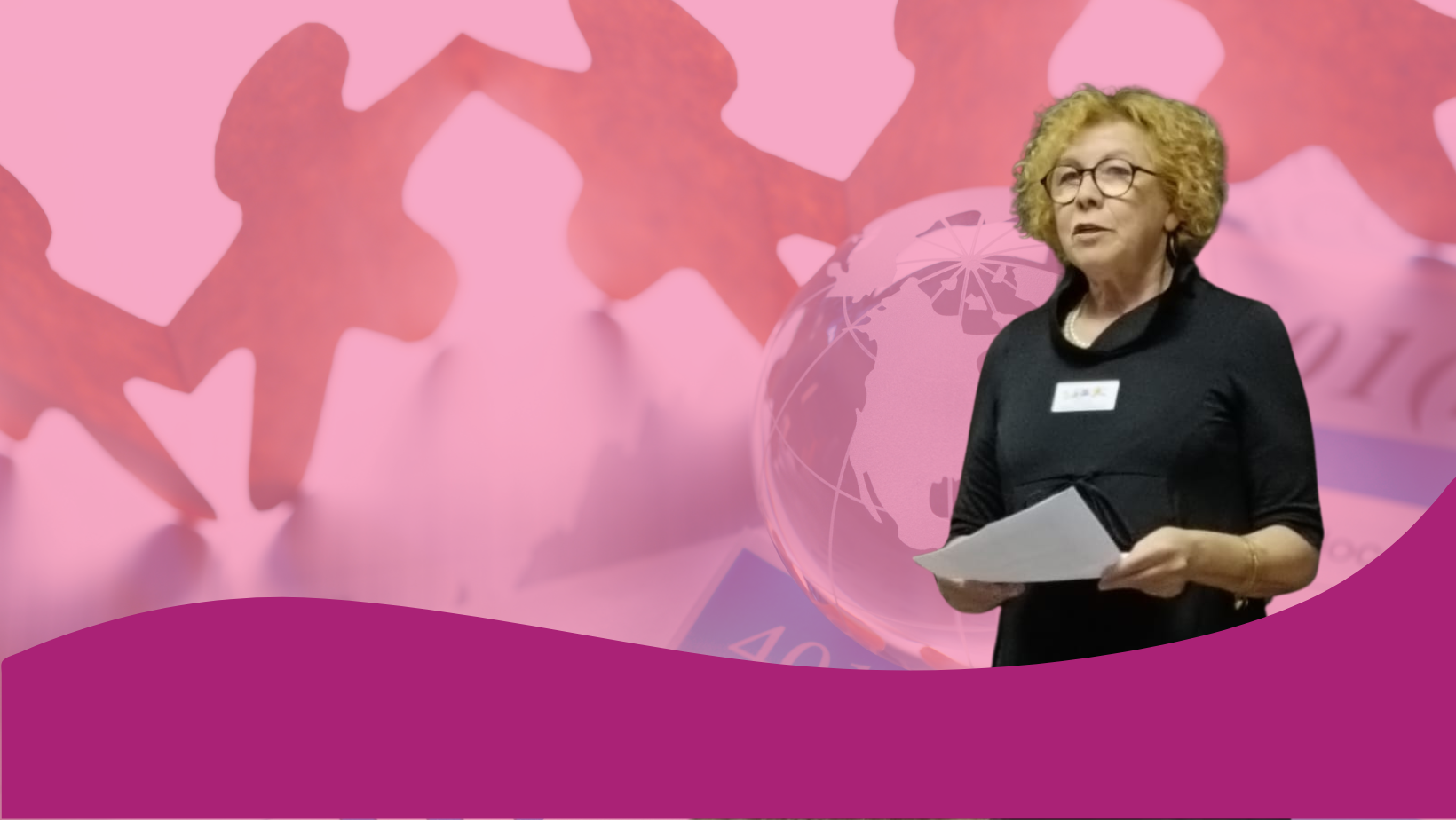
Let’s talk about social work | Patrizia Pedrazzini
My name is Patrizia Pedrazzini, and I live in the province of Cremona. I work as a freelance social worker and am a contract lecturer on the Social Work degree course at Bicocca University.
What do you do?
I worked for many years in a municipality as head of personal services. For many years, I designed and implemented programs aimed at foreign women, both to provide tools for integration and to facilitate processes of inclusion in the community, also involving those directly concerned. This proximity allowed me to learn more about their cultures of origin and to build relationships of trust within which some women were able to talk about difficult experiences, including violence. Among my fondest memories is the story of a friendship between an Arab woman and an Indian woman that blossomed during a language course. It was difficult for me to understand how they managed to communicate (they spoke different languages and their knowledge of Italian was very basic), but they understood each other and helped each other.
In our work supervising social workers, we often deal with complicated situations in which women are often involved, either as caregivers or as victims of domestic violence. In the first case, supervision aims to understand the difficulties involved, not to take the obligation to care for others for granted, and to identify ways to actively support care work. In the second case, particularly when women belong to other cultures, we look for ways to approach and get to know them while respecting both their cultures of origin and Italian law. In both cases, it is also a matter of deconstructing stereotypes.
And what about your work at the university?
At the university, I meet almost exclusively young women. Every year, in November, I talk about the International Day for the Elimination of Violence against Women: generally, the students know that it exists, but almost no one knows why it is held on November 25, and almost no one has had the opportunity to address the issue of violence in their previous schooling. In the little time I have available, I focus on relationships, and almost every year I see looks that speak of negative experiences.
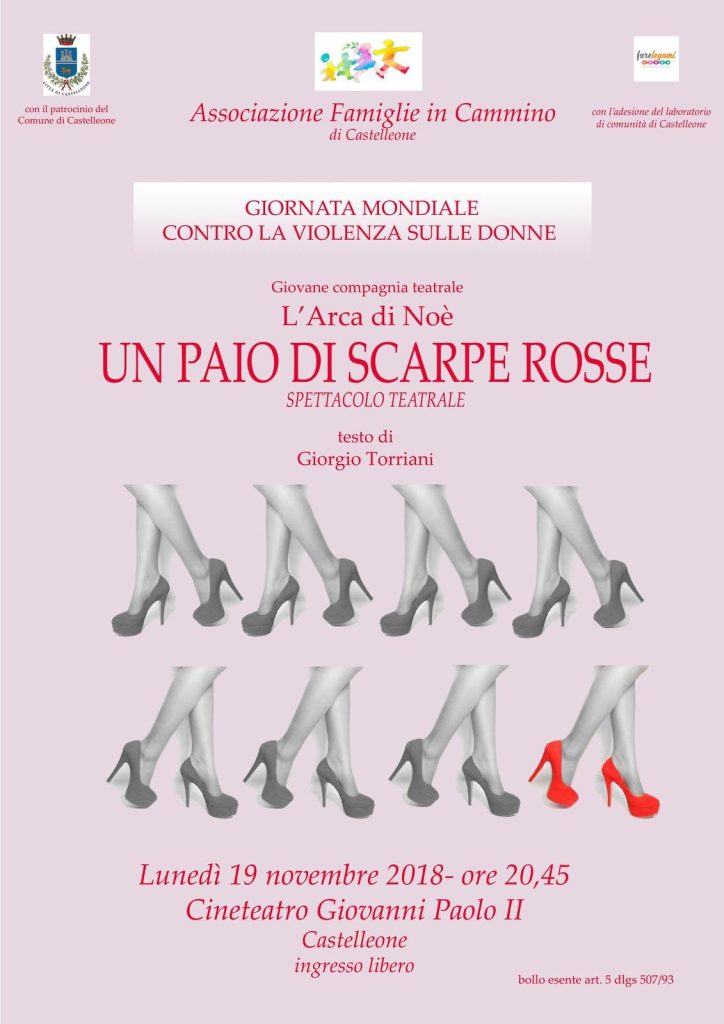
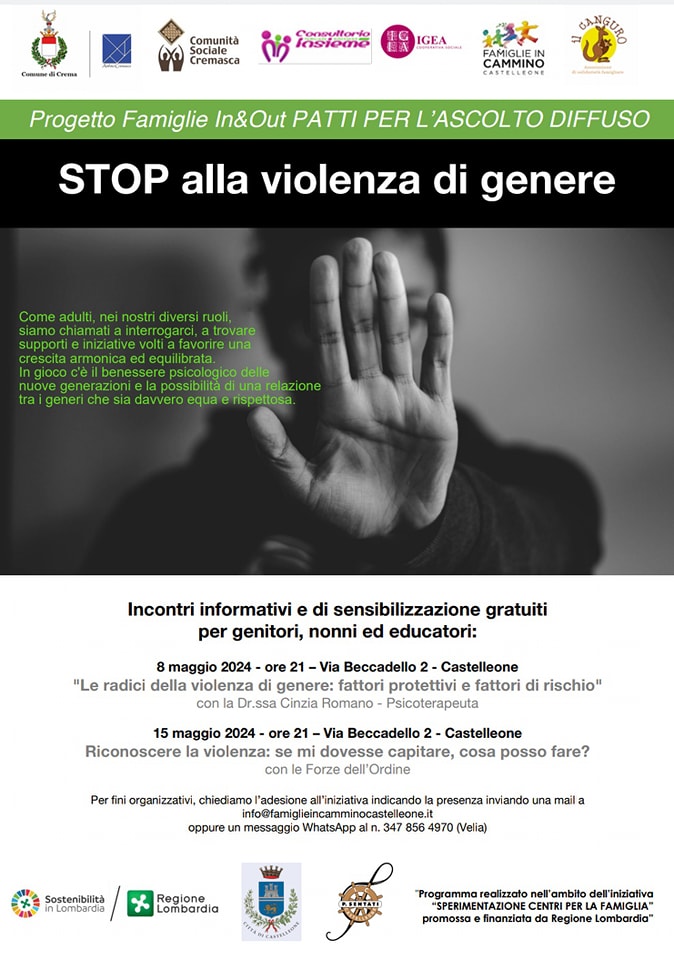
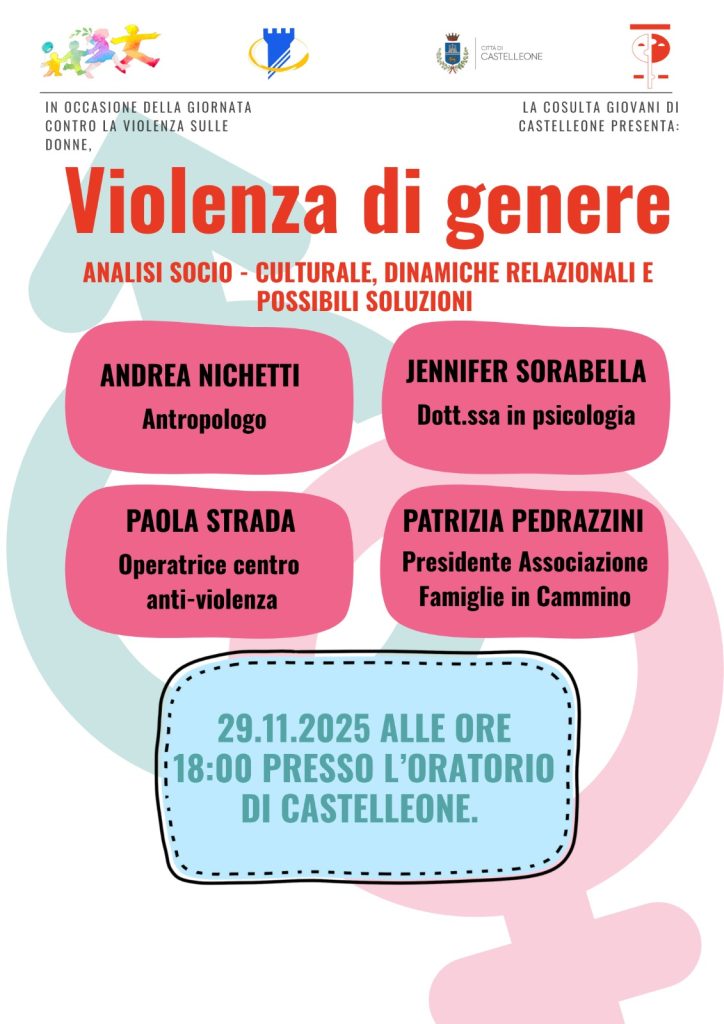
I have another commitment, not a job but a commitment, as president of an association – Famiglie in cammino – of which I was also a founding member 25 years ago. Among the proposals are courses on the prevention of gender-based violence.
Why are you passionate about it?
I have always enjoyed meeting people, learning about their stories, and working together to find ways to deal with suffering. I also recognize the political value of social work.
What is the biggest challenge facing feminism today?
Finding ways to address these issues with the younger generations. If research tells us that stereotypes indicating a failure to recognize forms of violence are still very much present, and if the president of the Court of Milan says that the perpetrators of violence against women include very young men, this means that patriarchal culture is still present and pervasive.
And what will be the biggest challenge tomorrow? In 10 years, for example.
True equality, not just declared or desired.
Three names of women who, in your opinion, have made feminist history.
- Virginia Woolf
- Nilde Iotti
- Betty Friedan
This is part of WP1 | T.1.2. PRODUCTION OF ORIGINAL MULTIMEDIA CONTENTS: RESEARCH, STUDIES, ARCHIVAL MATERIALS, TESTIMONIES OF WITNESSES