Discover the “Bad Feminist” Roxane Gay
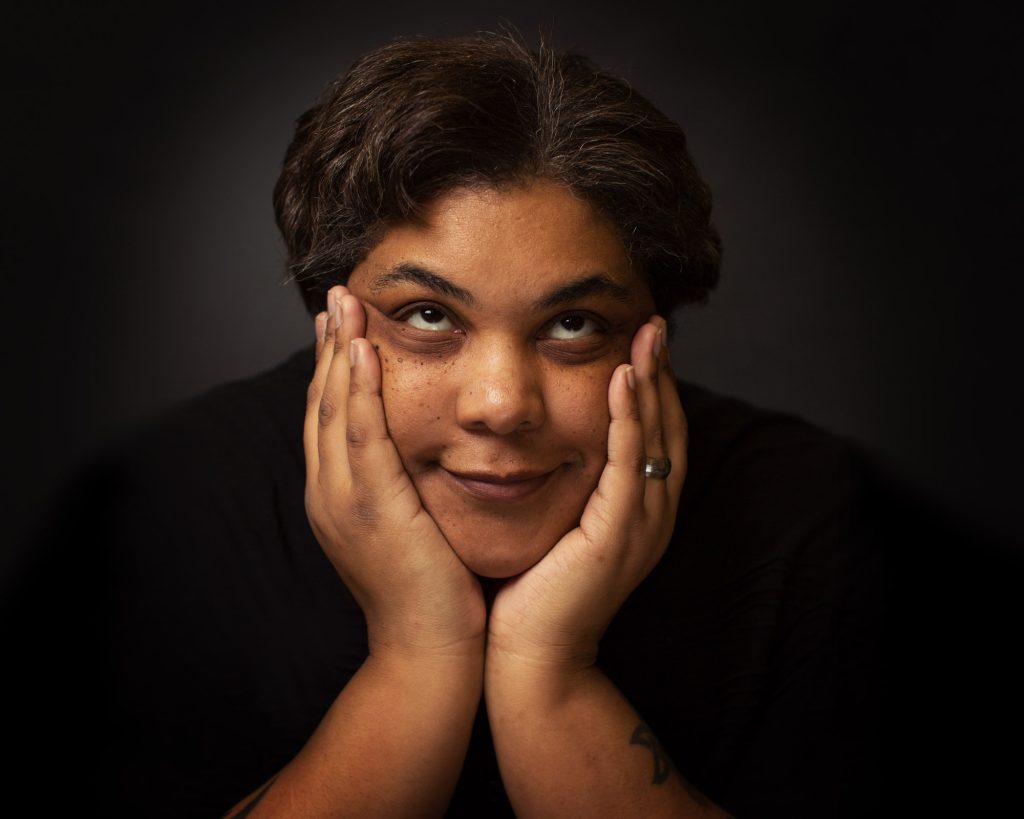
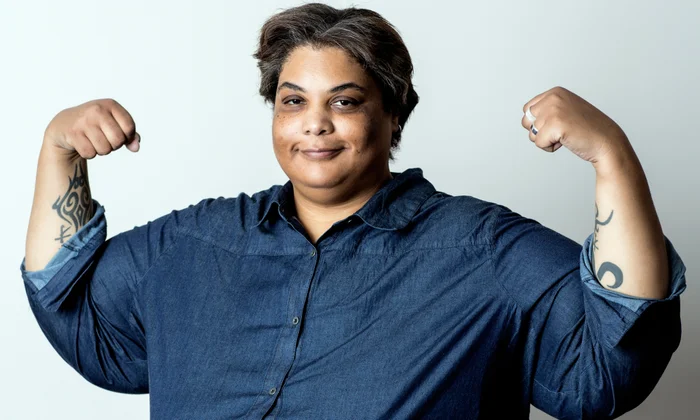
Roxane Gay is an influential American writer, professor, and cultural critic whose work cuts deep into issues of race, gender, sexuality, and trauma. Born in Omaha, Nebraska, in 1974, Gay has made her mark through a variety of forms (essays, fiction, memoir) offering insights that are personal, political, and profoundly honest.
Beyond her books, Gay contributes regularly to The New York Times, and she holds the Gloria Steinem Endowed Chair in Media, Culture, and Feminist Studies at Rutgers University. She’s also a publisher (Tiny Hardcore Press), an editor, and a public thinker who has earned a Guggenheim Fellowship, a Lambda Literary Award, and other honors.
Gay’s voice resonates because she speaks with both heart and clarity — calling out injustice, acknowledging her own flaws, and urging readers to think critically about power. Over the coming posts, we’ll explore her major works, recurring themes, and her newsletter (The Audacity), unpacking why her perspective continues to shape contemporary conversations on gender, race, and identity.
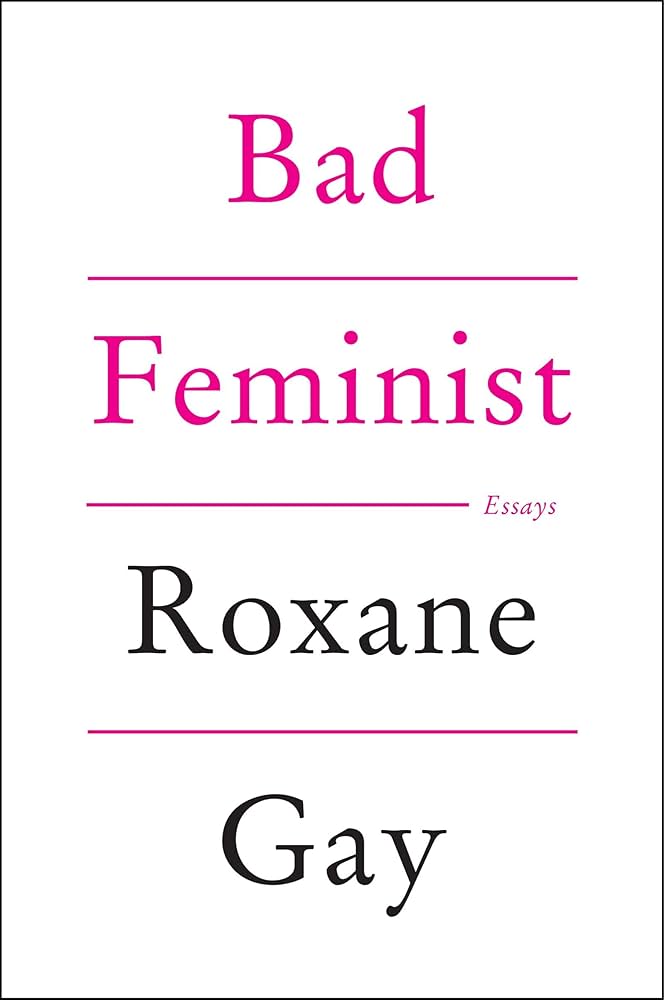
Her book “Bad Feminist”
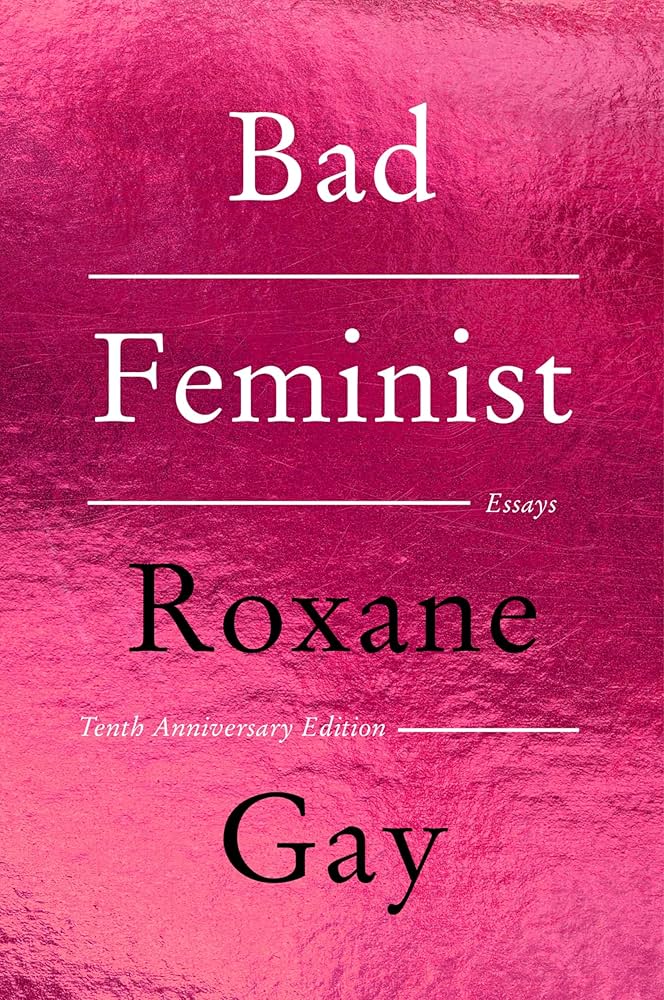
Roxane Gay’s Bad Feminist (2014) has become one of the most influential feminist essay collections of the past decade, not because it offers rigid answers, but because it invites readers to embrace the complexity, contradiction, and humanity within feminist thought. Through sharp cultural critique and personal storytelling, Gay challenges the idea that feminists must be flawless, perfectly consistent political agents. Instead, she proposes a feminism that makes room for real people, real lives, and real contradictions.
My favorite definition of “feminist” is one offered by Su, an Australian woman who, when interviewed for Kathy Bail’s 1996 anthology DIY Feminism, said feminists are “just women who don’t want to be treated like shit.” This definition is pointed and succinct, but I run into trouble when I try to expand that definition. I fall short as a feminist. I feel like I am not as committed as I need to be, that I am not living up to feminist ideals because of who and how I choose to be.
Bad Feminist spans topics ranging from pop culture and representation to sexual violence, racism, academic culture, and the politics of likeability. Gay dissects how narratives in films, music, literature, and media are shaped by gendered and racialized stereotypes. Her reflections on hip-hop lyrics, reality TV, and the publishing world underscore how culture both reflects and reinforces social inequalities.
At the heart of the book is Gay’s confession: she sometimes enjoys things that are “problematic,” she sometimes falls short of her ideals, and she sometimes struggles with the expectations placed on women, especially Black women, to embody strength, resilience, and perfection. By naming these contradictions, she dismantles the myth of the “perfect feminist” and opens space for a more inclusive, forgiving, and intersectional feminist practice.
I am failing as a woman. I am failing as a feminist. To freely accept the feminist label would not be fair to good feminists. If I am, indeed, a feminist, I am a rather bad one. I am a mess of con-tradictions. There are many ways in which I am doing feminism wrong, at least according to the way my perceptions of feminism have been warped by being a woman.
I want to be independent, but I want to be taken care of and have someone to come home to. I have a job I’m pretty good at. I am in charge of things. I am on committees. People respect me and take my counsel. I want to be strong and professional, but I resent how hard I have to work to be taken seriously, to receive a fraction of the consideration I might otherwise receive. Some-times I feel an overwhelming need to cry at work, so I close my office door and lose it.
Her book “Hunger. A memoir of (my) body”
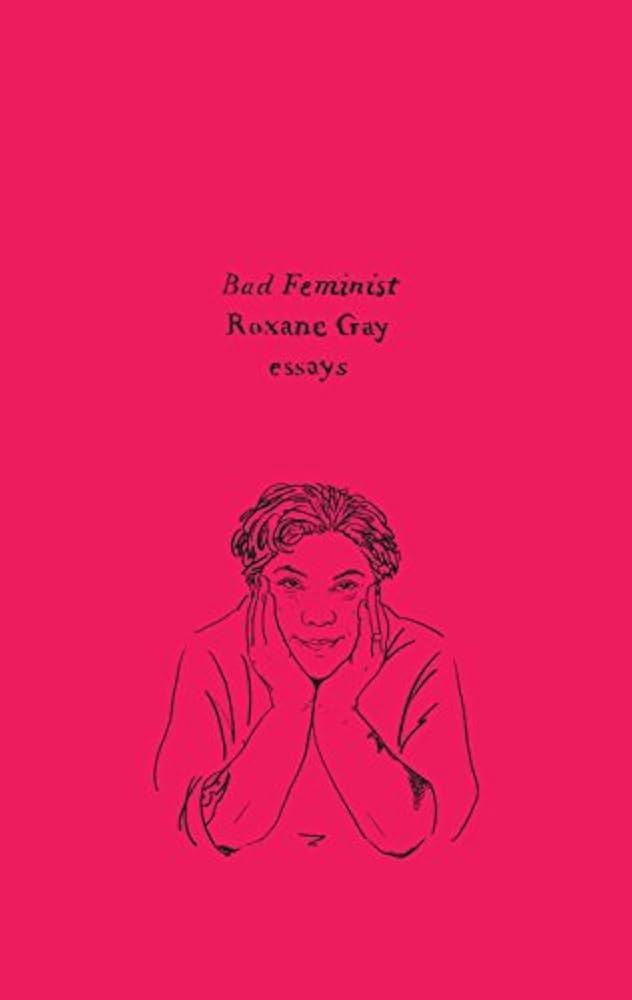
Roxane Gay’s Hunger: A Memoir of (My) Body (2017) is one of the most powerful contemporary works on trauma, body image, and the struggle for self-acceptance. In this deeply personal memoir, Gay reveals how her relationship with her body was shaped by violence, pain, and long-lasting vulnerability — and how she learned to live within a body that the world often judges, disciplines, or erases.
Gay writes with extraordinary honesty about trauma, fatphobia, desire, and the conflicting emotions tied to inhabiting a body that does not conform to societal expectations. Hunger is not a story of transformation or redemption; it is a story of truth-telling. It exposes how gender, power, and social norms shape not only how we see others, but how we learn to see ourselves.
As a woman, as a fat woman, I am not supposed to take up space. And yet, as a feminist, I am encouraged to believe I can take up space. I live in a contradictory space where I should try to take up space but not too much of it, and not in the wrong way, where the wrong way is any way where my body is concerned.
Her newsletter “The Audacity”
True to its name, The Audacity embraces boldness: bold opinions, bold storytelling, and bold invitations to rethink the cultural narratives that shape our understanding of gender, power, and identity.
Published on a regular basis, the newsletter blends Gay’s signature essayistic voice with interviews, recommendations, guest contributions, and sharp commentaries on current events. Her writing is intimate yet incisive, often moving from personal reflections to broader questions about structural inequality, violence, consent, and the politics of everyday life. For readers, this creates a rare balance, a place where emotion and analysis reinforce one another rather than compete.