
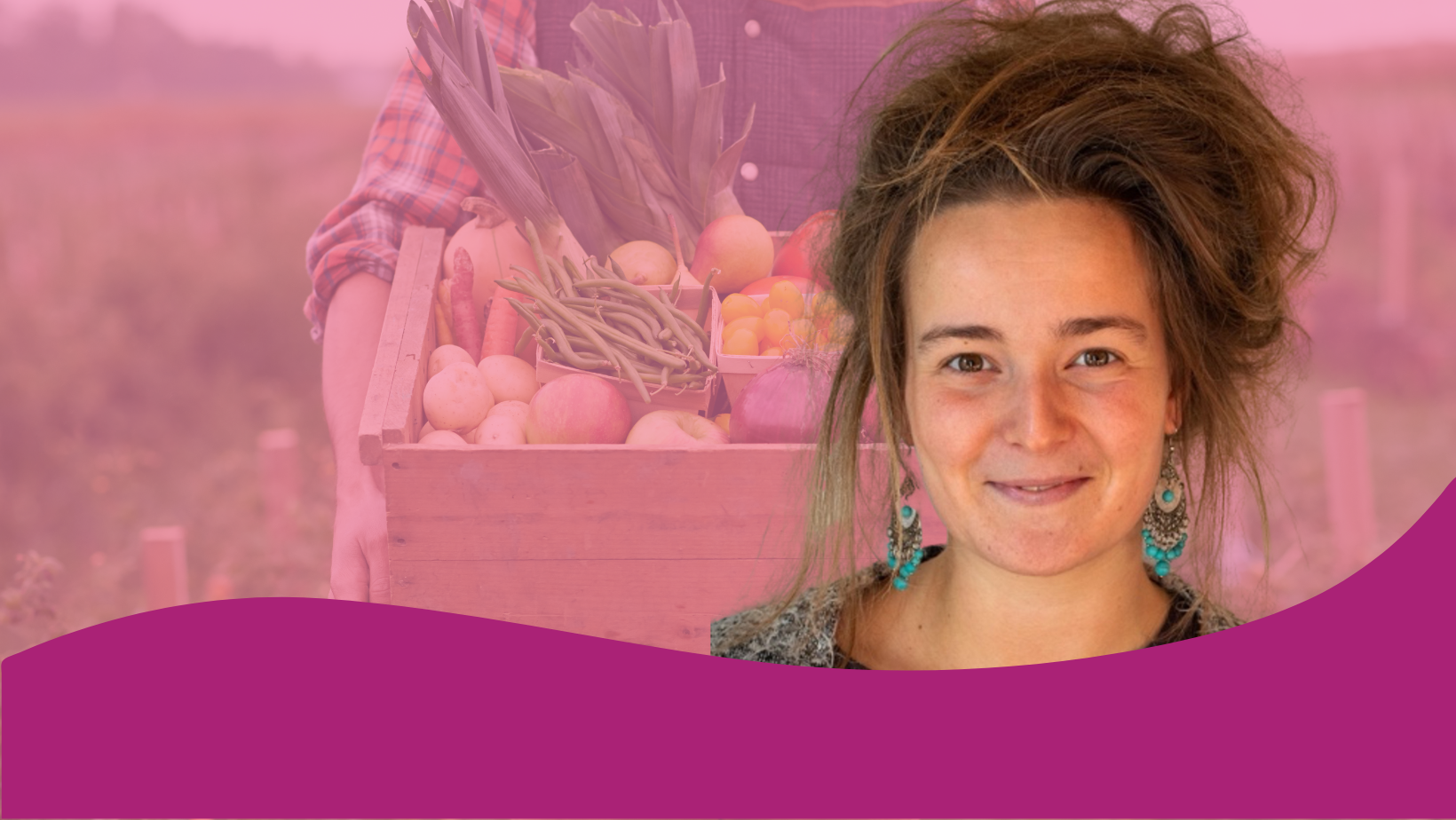
Let’s talk about the role of gender in farming | Mathilde Vandaele
In this interview, Mathilde Vandaela, a Belgian PhD graduate living in Switzerland, shares insights from her research on neo-farmers: individuals who aspire to become professional farmers but do not come from farming families. Her particular focus is on the challenges these neo-farmers face in accessing land within Switzerland, a problem that exists internationally but is under-examined in Swiss policy and scholarship. The declining farming population, combined with economic, political, and legal conditions that favour farm consolidation and inheritance within established families, creates significant barriers for outsiders seeking entry into the profession.
Mathilde shares her personal connection to the field through her family history, highlighting her grandmother’s and mother’s experiences with farm succession and the emotional challenges women face regarding inheritance. The process is highly gendered: although many women contribute significant labour on farms, only a small number are officially recognised as farm owners. Gender expectations within farming families often result in sons inheriting land, limiting daughters’ opportunities and maintaining male dominance in the sector. This pattern is reinforced in Swiss agricultural education, where women constitute only about 12% of students. Her research shows that in this education, social norms are formed early, favouring traditional male-oriented narratives of farming. Women and individuals from non-farming backgrounds face exclusion and pressure to conform, and even teachers from non-traditional backgrounds may hide their true identities to preserve their legitimacy.
Despite these obstacles, she finds hope in the increasing diversity within Swiss farming. Attendance at farming schools is rising, and she notices greater interest and purpose among young people who bring fresh perspectives and ambitions, especially during and after the COVID pandemic. Her outlook is cautiously hopeful: she views women and neo-farmers as part of the solution to population decline and the ecological problems it causes, driven by farm consolidation. If economic and legal frameworks can adapt to reflect this diversity and provide broader access to resources and recognition, Swiss agriculture will become more inclusive, sustainable, and dynamic. She concludes the interview by reaffirming that, in her view, farming remains “the most beautiful job you can do,” as long as its narrative expands to include a wider range of identities and futures.
This is part of WP1 | T.1.2. PRODUCTION OF ORIGINAL MULTIMEDIA CONTENTS: RESEARCH, STUDIES, ARCHIVAL MATERIALS, TESTIMONIES OF WITNESSES